
A website that gets traffic but no sales almost always has a specific, fixable problem, not bad luck. The most common causes are slow load speed, poor mobile experience, unclear messaging, missing calls-to-action, SEO that attracts the wrong visitors, weak trust signals, and ads that don’t match the landing page they lead to. Fixing these usually restores conversions faster than rebuilding the site from scratch.

You built a website. You spent money on design, maybe even on ads. Visitors are showing up. But sales? Barely a trickle.
If this sounds familiar, you’re not alone, and you’re not doing anything wrong in the way most people assume. This is one of the most common digital marketing problems businesses run into, and it almost always comes down to a specific, identifiable gap rather than bad luck or a “bad market.”
Below are the seven most common reasons, based on patterns we see across small and medium businesses every day.
Table of Contents
- 1. Your Website Loads Too Slowly
- 2. Your Website Isn’t Built for Mobile Users
- 3. Your Messaging Doesn’t Answer “What’s In It For Me?”
- 4. There’s No Clear Call-to-Action
- 5. Your SEO Isn’t Bringing the Right Traffic
- 6. Your Website Doesn’t Build Trust
- 7. Your Ads and Website Aren’t Working Together
- So, What Should You Actually Do?
- Frequently Asked Questions
- Related Reads
- How DeCodeS Tech Can Help
- Sources
1. Your Website Loads Too Slowly
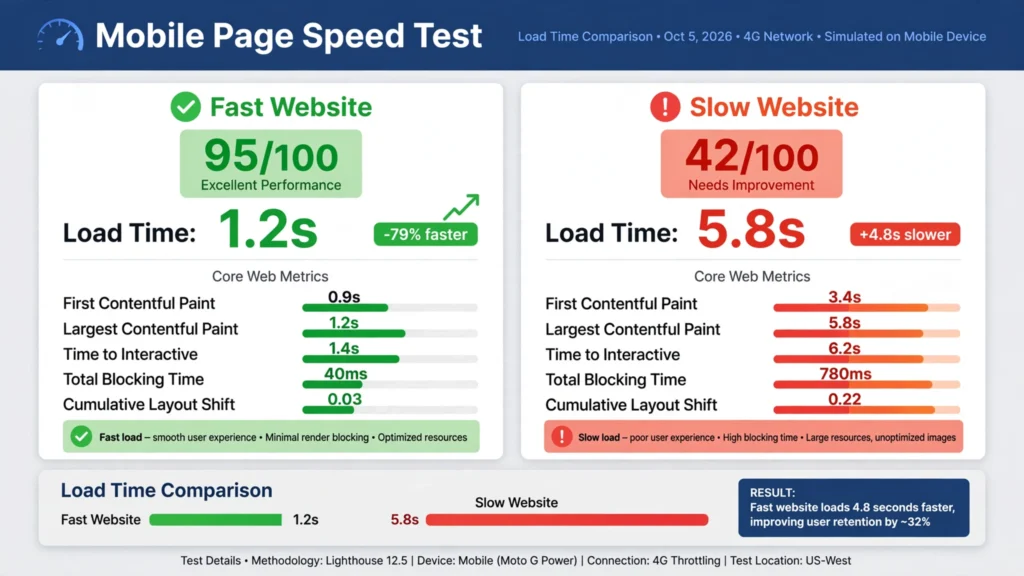
Every extra second your website takes to load costs you visitors. Most people decide whether to stay or leave within the first few seconds of opening a page. If your site is slow, because of unoptimized images, heavy plugins, or poor hosting, potential customers bounce before they even see what you’re offering.
Google’s own research on mobile page speed found that 53% of mobile site visits are abandoned if a page takes longer than three seconds to load. That’s not a rounding error, it’s more than half your potential customers leaving before your page even finishes loading.
Quick check: Open your website on your phone using mobile data, not WiFi. If it takes more than 3 seconds to load, you’re likely losing sales right there. This is one of the technical health issues that also holds back rankings; it’s covered in more depth in SEO vs GEO vs AEO: What Actually Differs.
2. Your Website Isn’t Built for Mobile Users
Most traffic today comes from mobile devices, not desktops. If your website was designed years ago, or designed only with desktop in mind, buttons may be too small, text may overflow, and forms may be frustrating to fill out on a phone. A visitor who struggles to navigate your site on their phone will simply move to a competitor whose site works better.
If your site is still running on an outdated setup, it may be worth comparing your options in WordPress vs Custom Website: Which One Should You Actually Choose.
3. Your Messaging Doesn’t Answer “What’s In It For Me?”
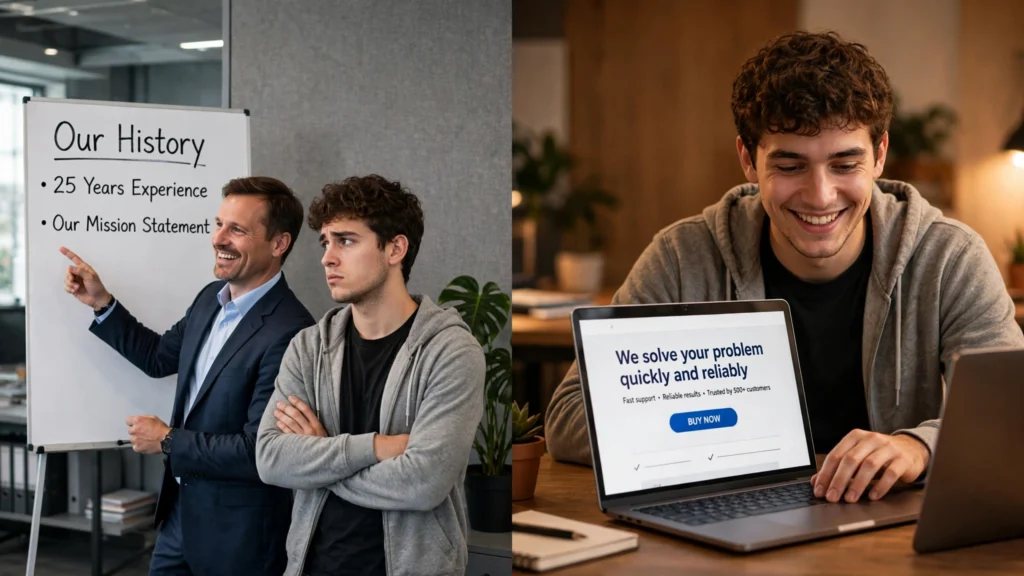
Many websites talk about the business, years of experience, mission statements, company history, without clearly telling the visitor what problem gets solved for them. Visitors don’t buy because a company is old or proud of its work. They buy because they believe the product or service will solve their specific problem, quickly and reliably.
If your homepage doesn’t answer “what do I get, and why should I trust this business?” within the first few seconds, visitors leave without scrolling further. Clear messaging and layout is a core part of UX/UI Design, and it’s also worth understanding the difference between UI and UX design if you’re not sure which one your site is actually missing.
4. There’s No Clear Call-to-Action
A surprising number of business websites look polished but don’t actually tell the visitor what to do next. Should they call? Fill out a form? Book a consultation? WhatsApp you directly? If the next step isn’t obvious, most visitors won’t figure it out on their own, they’ll just leave.
Every page on your website should have one clear, visible action for the visitor to take.
5. Your SEO Isn’t Bringing the Right Traffic
Some websites do get visitors, just not the right ones. This usually happens when SEO efforts target broad or irrelevant keywords instead of the specific terms your actual customers are searching for. Ranking for the wrong keywords brings clicks, but not buyers.
Effective SEO isn’t just about ranking; it’s about ranking for searches that reflect real buying intent. If you want the full picture of how modern search actually works, including how AI tools like ChatGPT now influence buying decisions, see SEO vs GEO vs AEO: What Actually Differs.
6. Your Website Doesn’t Build Trust
Before someone hands over money, they look for signs that a business is legitimate and reliable, reviews, testimonials, clear contact details, real photos instead of generic stock images, and social proof. A website missing these trust signals makes visitors hesitant, even if the product or service itself is excellent.
Strong visual branding plays a direct role here too; inconsistent logos, mismatched colors, or low-quality graphics quietly undermine trust before a visitor reads a single word. This is where Graphic Design work pays off.

7. Your Ads and Website Aren’t Working Together
Running Google Ads or Meta Ads can bring traffic fast, but if the landing page visitors reach doesn’t match what the ad promised, or loads slowly, or lacks a clear next step, the ad spend is essentially wasted. Ads only work when the website behind them is built to convert. If you’re deciding where to invest your ad budget in the first place, Google Ads vs Meta Ads: Which Is Better for Your Business? breaks down how to choose.
So, What Should You Actually Do?
Most businesses don’t need a brand-new website, they need to fix the specific gaps that are quietly costing them customers. That could mean improving page speed, rewriting homepage messaging, adding clearer calls-to-action, correcting SEO targeting, or making the site mobile-friendly.
If you’re running an online store specifically, the platform itself can also be part of the problem; WooCommerce vs Shopify: Which Ecommerce Platform Is Actually Worth It is worth a look before making changes.
At DeCodeS Tech, we help businesses identify exactly where their website is losing potential customers, and fix it with targeted web development, UI/UX improvements, SEO, and ad strategy that work together instead of separately.
Not sure where your website is losing sales? Get a free consultation with DeCodeS Tech and find out what’s actually holding your business back.
Frequently Asked Questions
Why does my website get traffic but no sales?
How do I know if my website is the problem?
Can better SEO alone fix low sales?
How long does it take to fix a low-converting website?
How can DeCodeS Tech help improve my website’s sales performance?
Related Reads
- SEO vs GEO vs AEO: What Actually Differs
- 7 Digital Marketing Problems and Solutions
- Google Ads vs Meta Ads: Which Is Better for Your Business?
- WordPress vs Custom Website: Which One Should You Actually Choose
- What’s the Difference Between UI and UX Design?
- How to Choose the Best Digital Marketing Agency in Pakistan
How DeCodeS Tech Can Help
Fixing a low-converting website usually touches more than one area. Depending on where your site needs the most work:
- Website Development: fixing speed, structure, and mobile issues that cause visitors to leave
- UX/UI Design: making your messaging and layout clear enough to guide visitors toward action
- Graphic Design: fixing visual trust signals like branding, imagery, and layout consistency
- Digital Marketing: correcting SEO targeting and aligning ad campaigns with the right landing pages
- All Our Services: the full picture of what we do
If you’d rather just talk it through, get in touch with us directly.